Birding After Sunset
Owls, Nightjars, and Missed Calls in the Dark
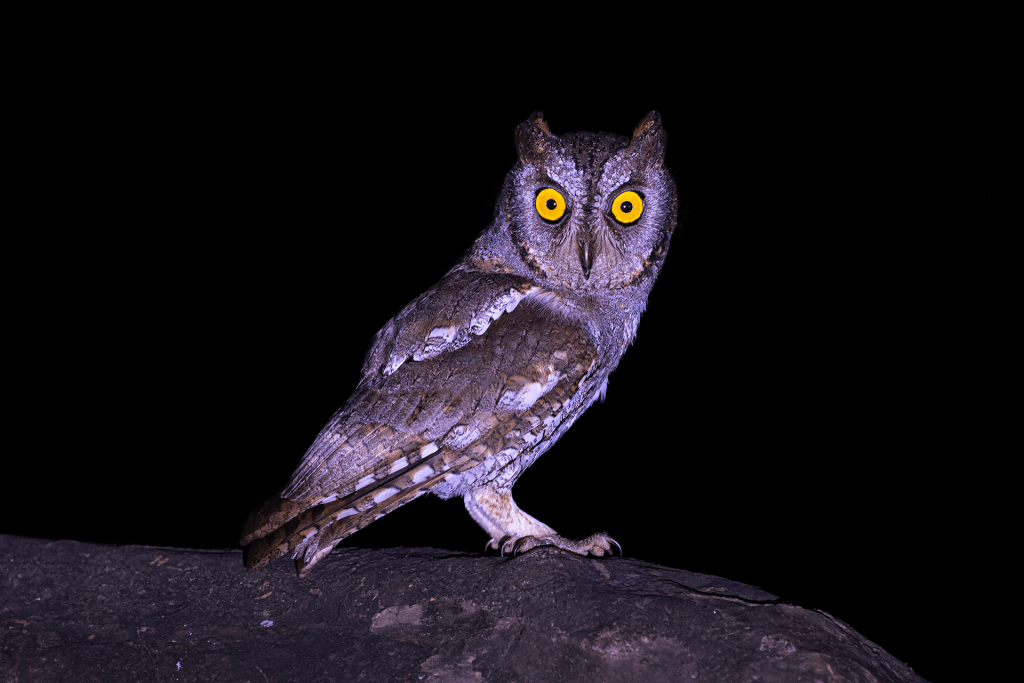
Why Birding After Sunset?
“Birding After Sunset” (or Nocturnal Birding) is a very different experience from daytime birding. As the sun sets, the wildlife of the day settles down, and a different world quietly wakes up. Owls, Nightjars and other nocturnal species take over the landscape.
Usually, Nightjars are the first ones to become active during the late twilight hours, flying low and calling from short perches. As darkness sets in, the Nightjars quietly settle down, and the Owls take over the night with their loud calls but silent movements.
With little to see and so much to hear, birding after sunset becomes a slower much relaxed experience. Patience and listening become far more important than sighting.
How to Prepare for Night Birding?
If you going for Night Birding without a local guide, preparation is key. It’s important to scout the locations during daylight to understand the terrain and identify any potential hazards beforehand, especially loose rocks, streams and areas where snakes might be active.
Carry two torches, one low-power torch for scouting and moving around, and a second, slightly stronger one for photography if needed. Make sure that the photography torch is not too bright.
Never point the light directly at the bird, as it can impair their eyesight. It is best to light the bird indirectly, for short bursts of 4-5 seconds, not more two or three times.
Before heading out, research the possible species in the area and familiarize yourself with their calls. It is always safer to go in groups, or at least inform someone about your location if you’re going alone.
In the end, patience matters more than anything else. No amount of preparation can guarantee you good sightings. Activity at night is usually very scattered, and long quiet periods are quite normal.
Species You Can Expect
The species you get to see during a nocturnal birding session depends greatly on the location and the time of the year. However, there are a few species that you can find almost anywhere in India. These are Spotted Owlet, Indian Scops Owl and Indian Nightjar.
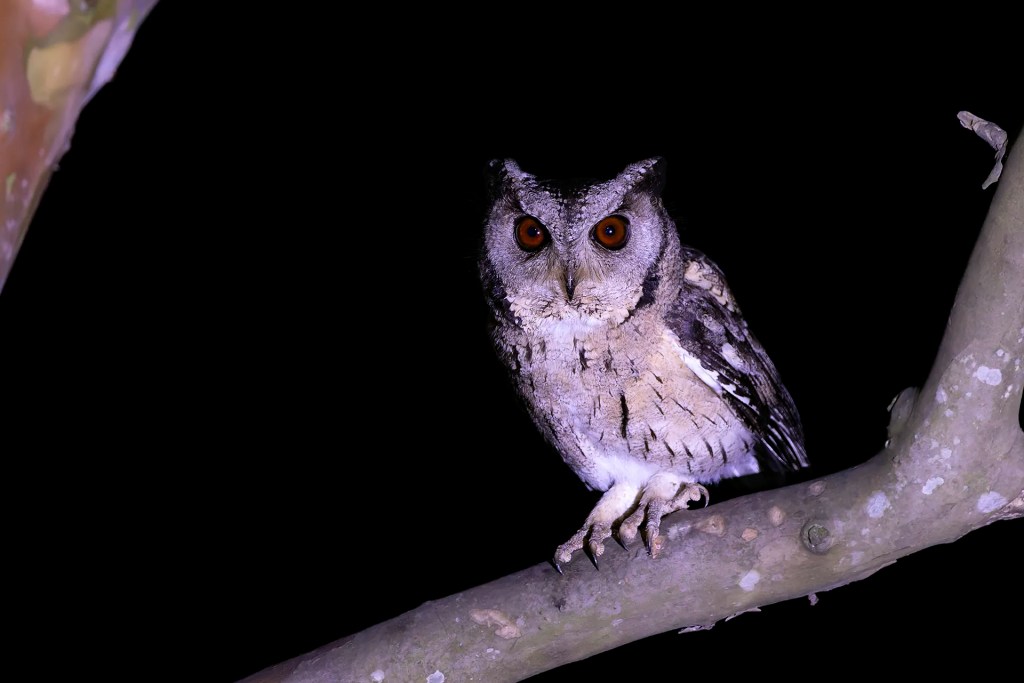
In the Northeast, the Indian Scops Owl is replaced by its close cousin, Collared Scops Owl, which was previously considered to be the same species.
In the forests of South India you can also find the Oriental Scops Owl year-round.
North India
In the Northern Plains, species like Spotted Owlet, Indian Scops Owl and Barn Owl are widespread and relatively easy to find. During the winter months, with some luck, you might be able to spot a Savanna Nightjar or even a Large-tailed Nightjar. In the right habitat and a lot of luck, Indian-Eagle Owl sighting are also possible during the evening hours.
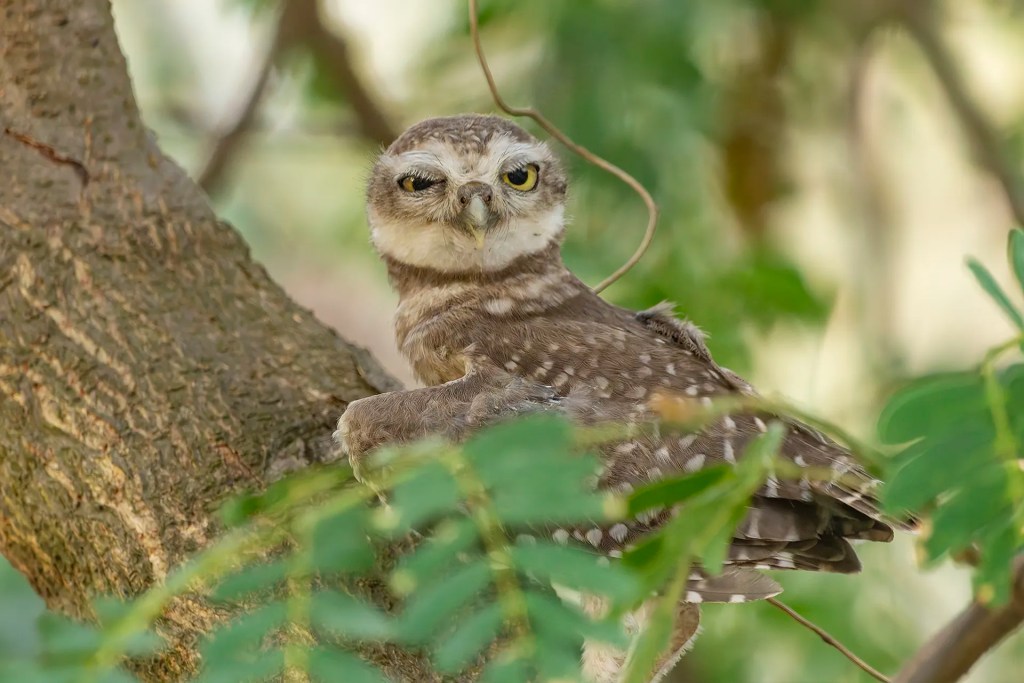
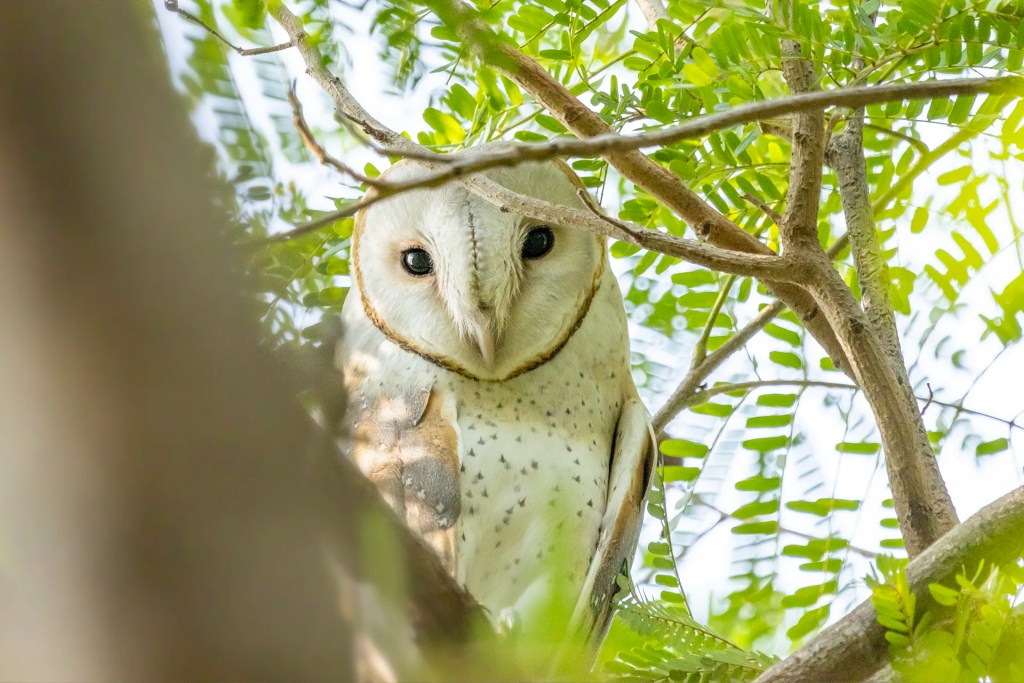
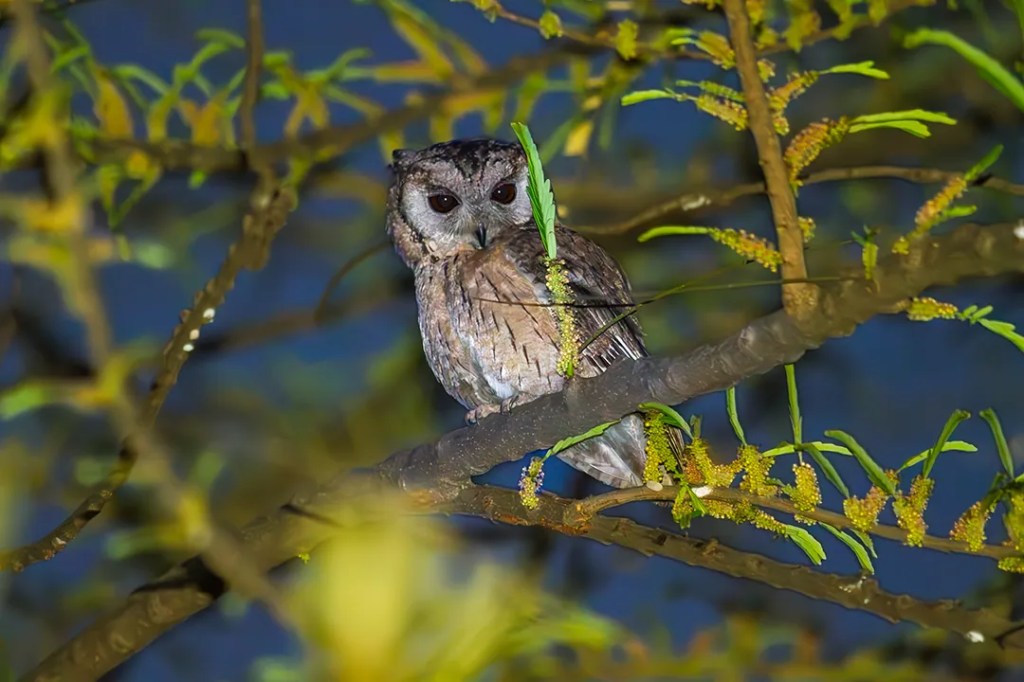
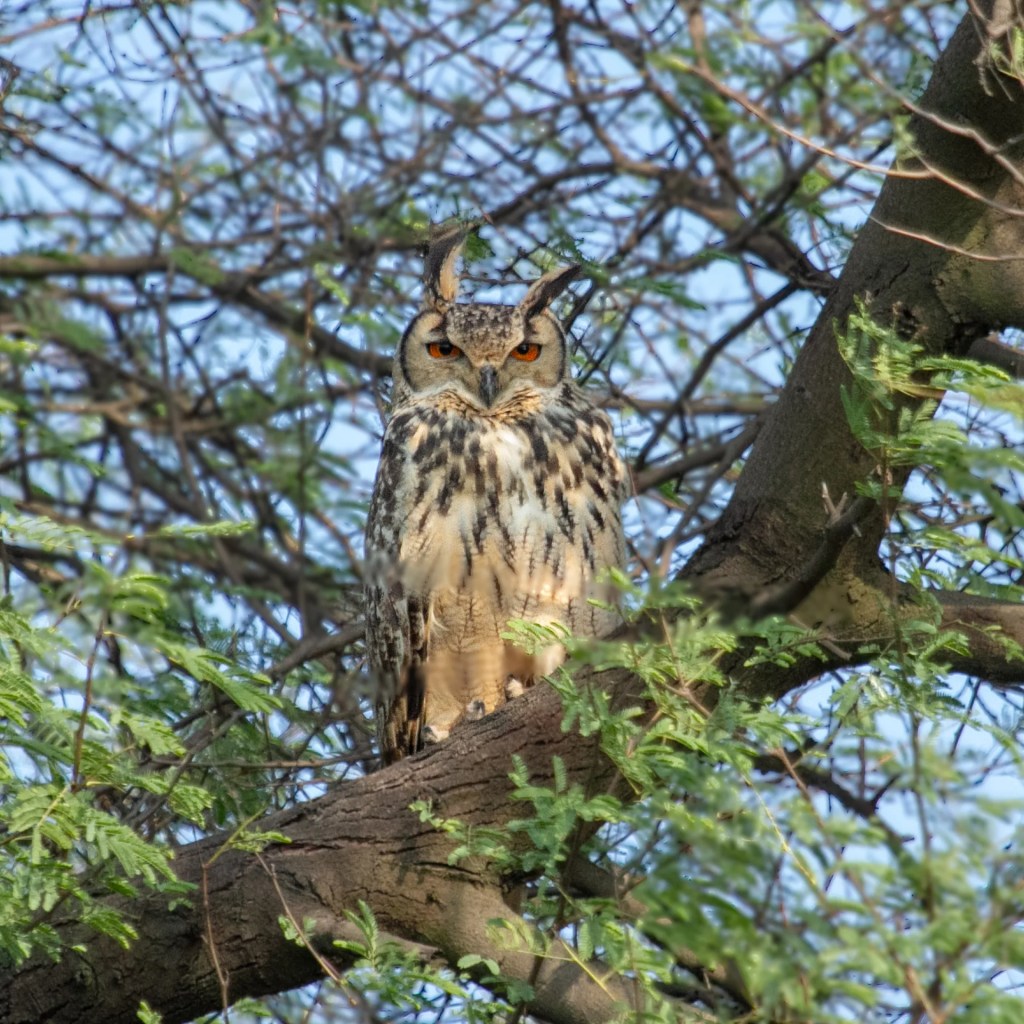
In the Himalayas, the rugged yet open terrain makes nocturnal birding more about listening than seeing. The iconic soft double hoots of the Mountain Scops Owl are a familiar voice in the region, starting soon after dusk and continuing until just before sunrise.
Instead of the Spotted Owlet, you will find the Asian Barred Owlet here, though it’s usually easier to spot during the day. In some pockets, you may also find a Collared Owlet. Gray Nightjar is another species found in certain parts of the lower Himalayan belt.

Less commonly seen species in the Himalayas include the Himalayan Owl, Brown Wood Owl, Brown Fish Owl, and Tawny Fish Owl. The latter two can often be found during the day in parts of Uttarakhand.
West India
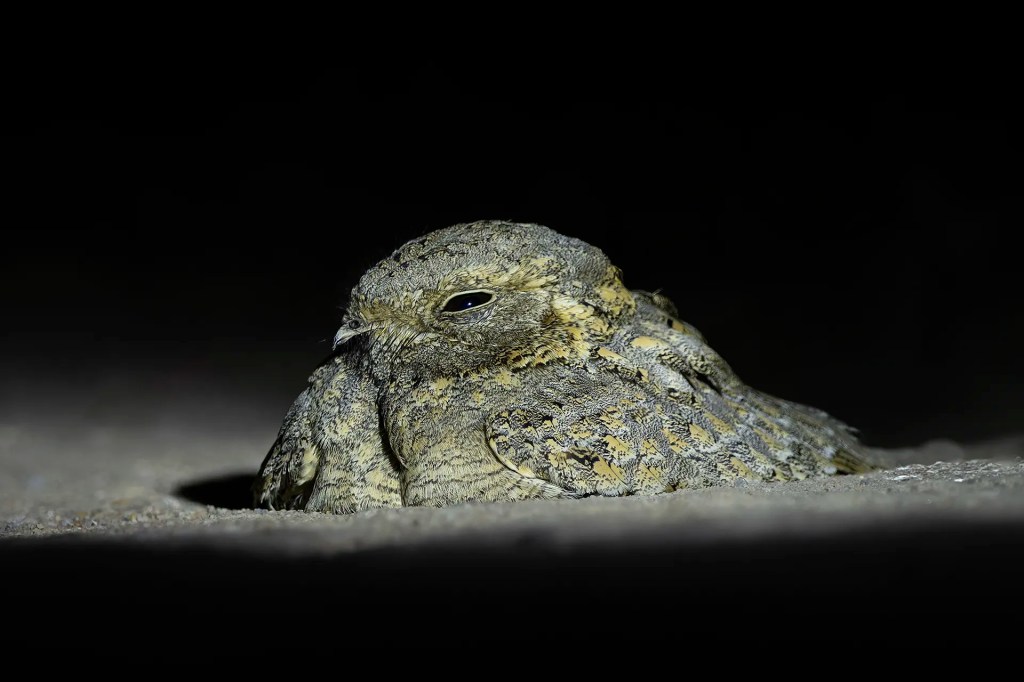
Much of West India shares species with the Northern Plains. However, in winter, Sykes’s Nightjar and Pallid Scops Owl are possibilities, especially in select areas of Gujarat.

You might also find Short-Eared Owls during the winter months.
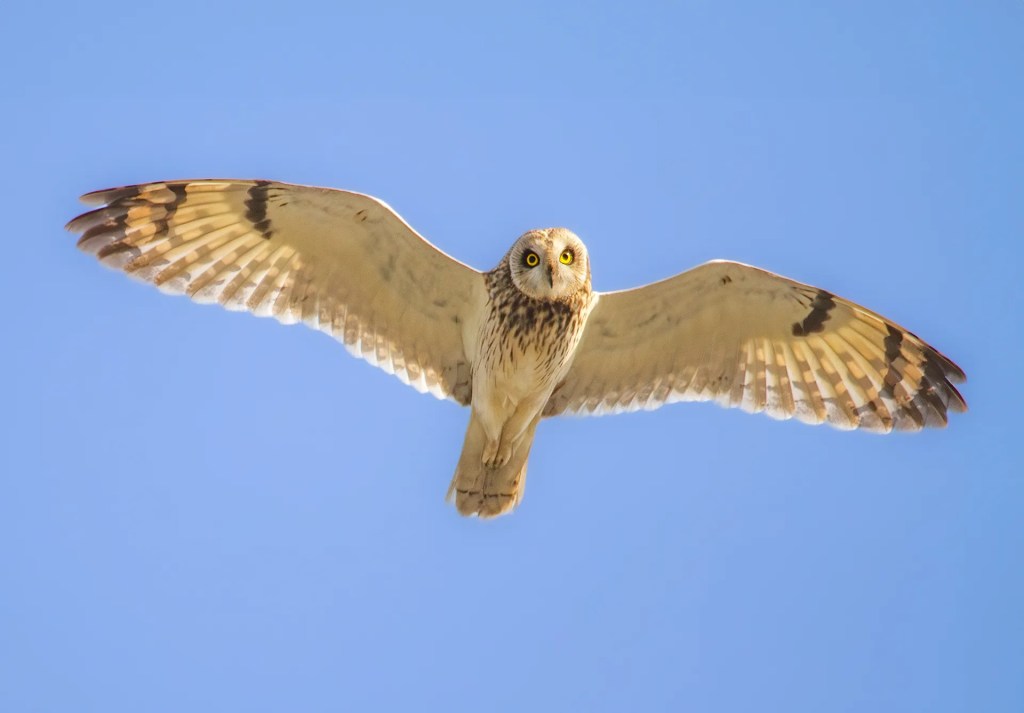
During passage migration months (September & October), Eurasian Nightjar and Eurasian Scops Owl also sometimes show up in a few locations in Gujarat.
South India
South India hosts a few additional nocturnal species depending on region.
In Kerala, Sri Lanka Bay Owl and Great Eared Nightjar are possible if you’re in the right habitat.
Across much of southern India, Jerdon’s Nightjar is fairly common and active during late evenings and early night hours.
Andaman & Nicobar Islands
The Andaman and Nicobar Islands are home to a completely different set of nocturnal species, many of them endemic to the islands, thanks to their location and isolation.
Species lists here are almost entirely distinct from mainland India. There are total 6 night birding target in the South Andaman Islands. These are Andaman Boobook, Hume’s Boobook, Walden’s Scops Owl, Andaman Scops Owl, Andaman Masked Owl and Andaman Nightjar.


The Nicobar Islands host the Nicobar Scops Owl, a species found nowhere else in India.
Besides birds, nocturnal mammals like civets, porcupines, and foxes are sometimes seen during night birding sessions. The encounters are usually brief, but they definitely add some excitement to the session when the bird gods aren’t on your side. During my sessions, I have personally seen Barking Deer, Sambar, a Civet, and a Desert Fox.
Challenges
Night birding comes with its own set of difficulties.
One of the biggest ones is visibility. Many birds are only heard and very rarely seen. Identifying species purely based on calls can be tricky, especially if multiple birds are calling at once.
Lighting is another issue. Even with a decent torch, chances of getting a good look at the bird are slim. Photography at night is even more difficult as most of the encounters are brief and there is not enough time to adjust your camera settings. For that, it is recommended to shine your torch on an empty perch and adjust all your settings and set your focus to be roughly where you expect the bird to be. This way, when a bird does appear, you wouldn’t lose all the time adjusting your settings and trying to get the autofocus to lock on the bird.
Terrain navigation is also a big issue. Rocks, streams and dense undergrowth can slow down movement, and there is always the risk of encountering snakes or other wildlife unexpectedly.
The most significant challenge of nocturnal birding is the unpredictable nature of nocturnal activity. There are nights when there is absolutely zero activity even in the best of habitats.
Some nights you find everything. Some nights you find nothing. That’s just how Birding After Sunset is!

 Birding With Arjun